
Across Time
Repeated observation makes it possible to see direction, not merely a snapshot.

Ways To Flourish
Human flourishing. Measured carefully. Interpreted in context. Stewarded for generations.
SONAS360 is building a long-horizon body of research to understand the conditions that help people, organizations, and communities thrive, and to translate those signals into wiser decisions before what matters is lost.


What Sits Underneath The Numbers
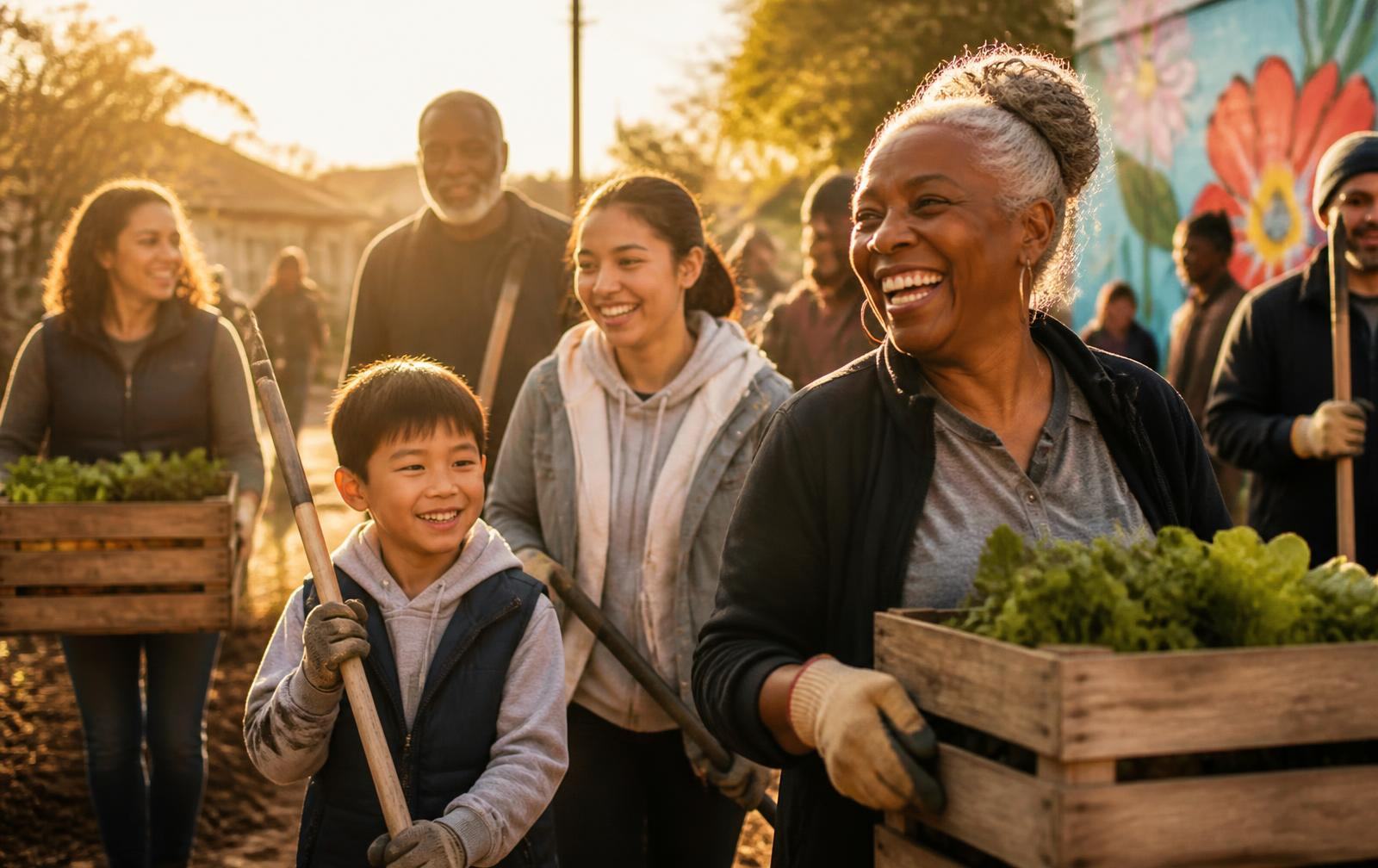
Most institutions can tell you what happened. Revenue. Retention. Attendance. Completion. Growth. Risk. The measures matter, but they often arrive after the conditions beneath them have already changed. Belonging, trust, purpose, learning, agency, generosity, hope, and the ability to contribute can begin shifting long before a dashboard explains why.
Ways to Flourish begins with a different question: what becomes visible when human flourishing is treated as something worthy of careful, sustained study? Across a life, a team, a classroom, a congregation, a workplace, and a community, small signals accumulate. Some are quantitative. Some live in language, behavior, ritual, relationship, memory, and place.
The work is designed to study those signals together, without pretending that the full meaning of a human life can be captured by a single number. The premise is simple: when leaders can see the conditions of flourishing earlier and more clearly, they have a better chance to strengthen what is life-giving before it becomes fragile.
The aim is not to reduce a human life to a score. It is to notice what conventional measures miss soon enough to act with wisdom.
The Body Of Work
Each one answers a different part of the same enduring question: what helps people flourish, how can it be recognized, and what can wise leaders do with what they learn?
One Question
What helps people flourish, and how can leaders recognize the conditions early enough to protect and strengthen them?
The Measure
A long-horizon measurement framework designed to observe the conditions associated with human and organizational flourishing over time.
The Learning Lens
A way to connect training, formation, and learning with what changes afterward, so completion is not mistaken for impact.
The Synthesis Layer
An interpretive layer designed to bring quantitative signal, qualitative evidence, pattern recognition, and human judgment into a more complete view.
The Living Record
The place where findings, methods, field notes, essays, visual evidence, and unanswered questions can accumulate as the work grows.
Four readings of one question, kept on the same line of inquiry.
The Long Horizon
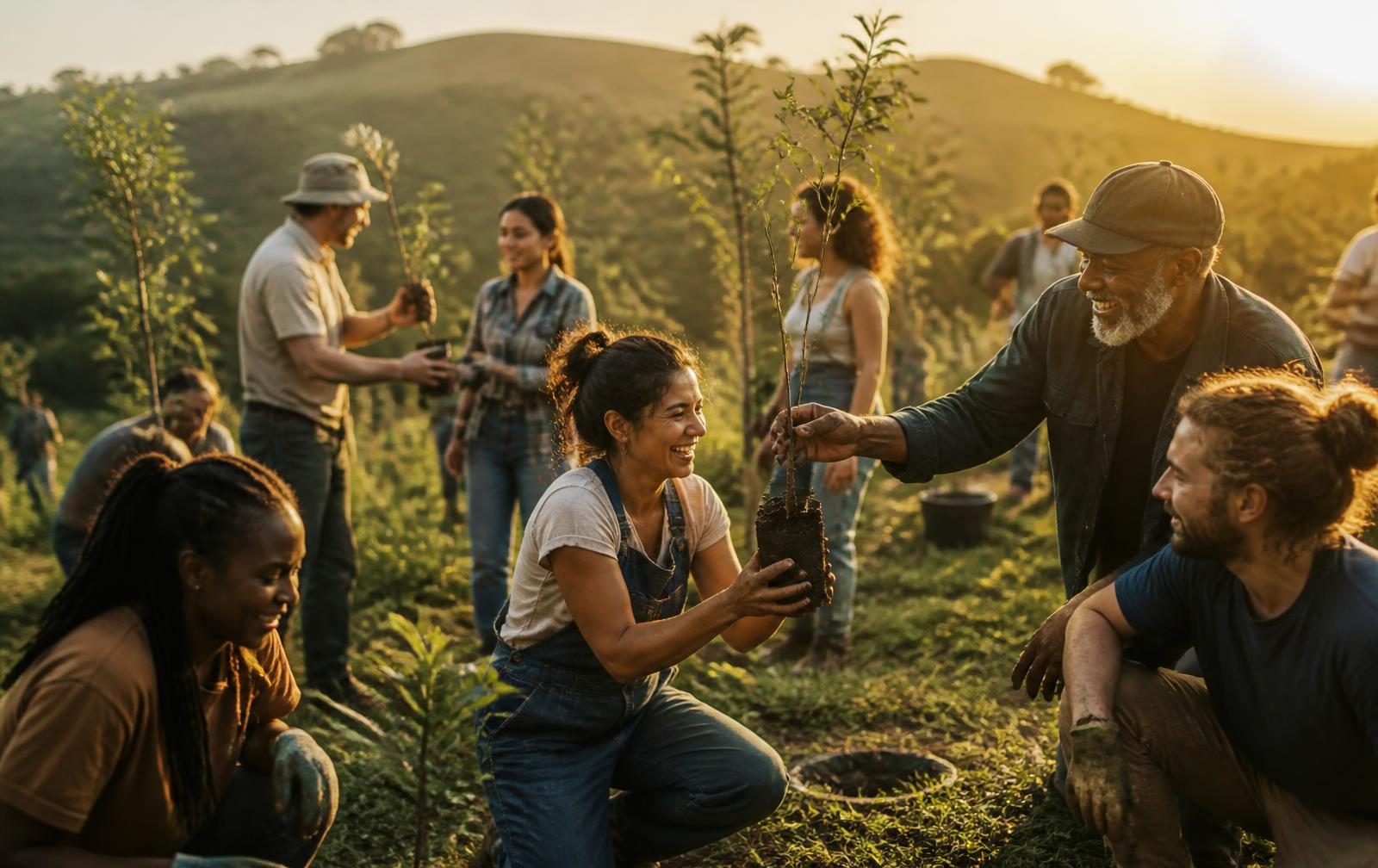
The ambition is longitudinal. Not a campaign. Not a one-time survey. Not a score that appears once and disappears into a presentation.
The work is intended to become a durable body of evidence that can follow changing conditions across years, across different kinds of institutions and communities, and, with sufficient time and rigor, across generations.
The horizon matters because flourishing is rarely created by one program or destroyed by one moment. It is formed through repeated experiences, relationships, decisions, and patterns of stewardship. It deserves the patience to study it, the humility to interpret it carefully, and the courage to act on what is learned.
What you learn to notice, you become more able to steward.
Repeated observation makes it possible to see direction, not merely a snapshot.
Workplaces, schools, communities, learning environments, and faith-led institutions create different conditions worth understanding.
The long-term aspiration is to understand which conditions endure, which change, and what can be responsibly carried forward.
What Flourishing Really Means
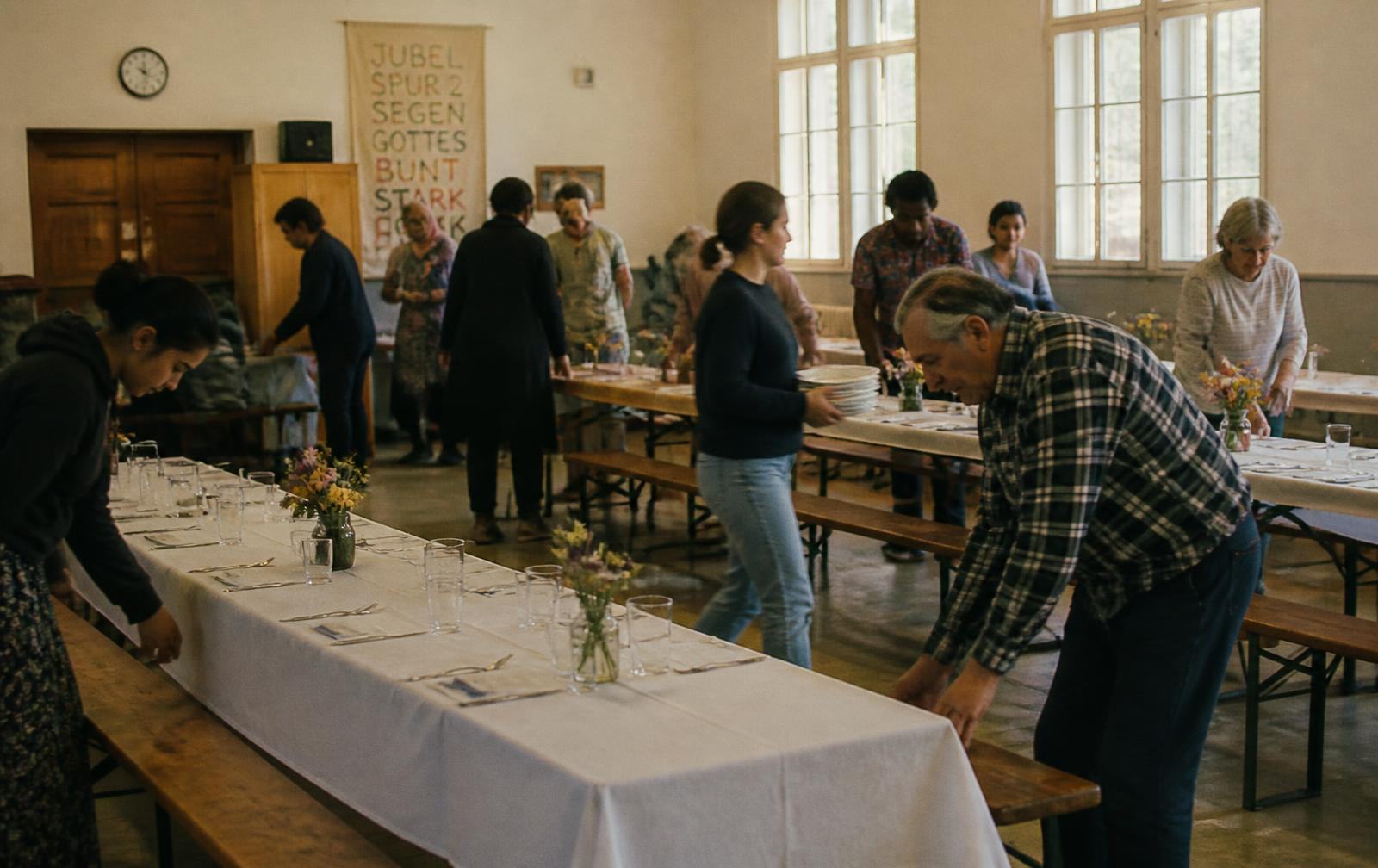
A Kingdom view of flourishing asks more than whether people are productive, satisfied, or comfortable. It asks whether people are becoming more whole, more able to love their neighbor, use their gifts, tell the truth, create what is good, serve with courage, and steward what has been entrusted to them.
That conviction gives the work its moral center.
The research is intended to be rigorous enough for institutions and spacious enough to honor the fullness of a human life.
Human beingsare not inputs.
Joyis not a vanity metric.
Belongingis not a tactic.
Learningis not the same as completion.
How The Work Grows
This body of work should grow the same way trust grows: carefully, transparently, and over time.
Begin with interviews, observation, existing measures, lived experience, and the context leaders already hold.
Use appropriate constructs and measures, with clear boundaries around what a measure can and cannot claim.
Study quantitative and qualitative evidence together, and examine relationships with relevant outcomes rather than assuming causation.
Translate what is learned into decisions, experiments, design choices, and stewardship that can be observed again.
Repeat the cycle over time. Longitudinal evidence is built through disciplined return, not a one-time reveal.
One Rule Kept Throughout
No single number should be allowed to carry more meaning than the evidence can support.

The Observatory
The Observatory is the living record behind the work: field notes, emerging findings, methods, visual evidence, essays, questions, and the language that helps make sense of what is being observed.
Not every insight belongs in a dashboard. Some need context. Some need story. Some need time.

The joy of the Lord is your strength.
An Invitation
Bring an honest set of evidence, not a polished story.
In an unhurried working session, you can look at what your current measures reveal, where they go silent, and whether your organization or community could contribute thoughtfully to the next phase of this work.
The best early partners will be curious, willing to examine complexity, and more interested in learning than in proving they were right.
For organizations, schools, communities, learning environments, and faith-led institutions interested in contributing to a growing body of evidence.